As reference for the practical side of my Context of Practice module, I chose to look at three different cultural identities within animation - East Asian (Japanese Anime), Eastern European (Czech/Polish/Ukrainian), and Middle Eastern (Emirati/Iranian/Saudi)
The American-clad characters will be influenced by such styles as Marvel, DC, Disney, and Pixar. Each animated character will last around ten seconds each, a thirty second animation in total with each character running back to back. At the end to give some clarity to the purpose of my animations, a short end title will be added featuring a brief word or sentence about Americanisation and Globalisation in the animation industry.


An example of Middle Eastern animation styles - note the conservative and modest appearance of the women, despite the use of bright colours to make them look more appealing to children. "There’s a new bunch of super-heroes coming to international TV station Cartoon Network – in the form of four Emirati grandmothers. Vision finds out about the development of Emirati cartoon Freej, already a sensation in Dubai and now available to view on a screen near you." - Vision

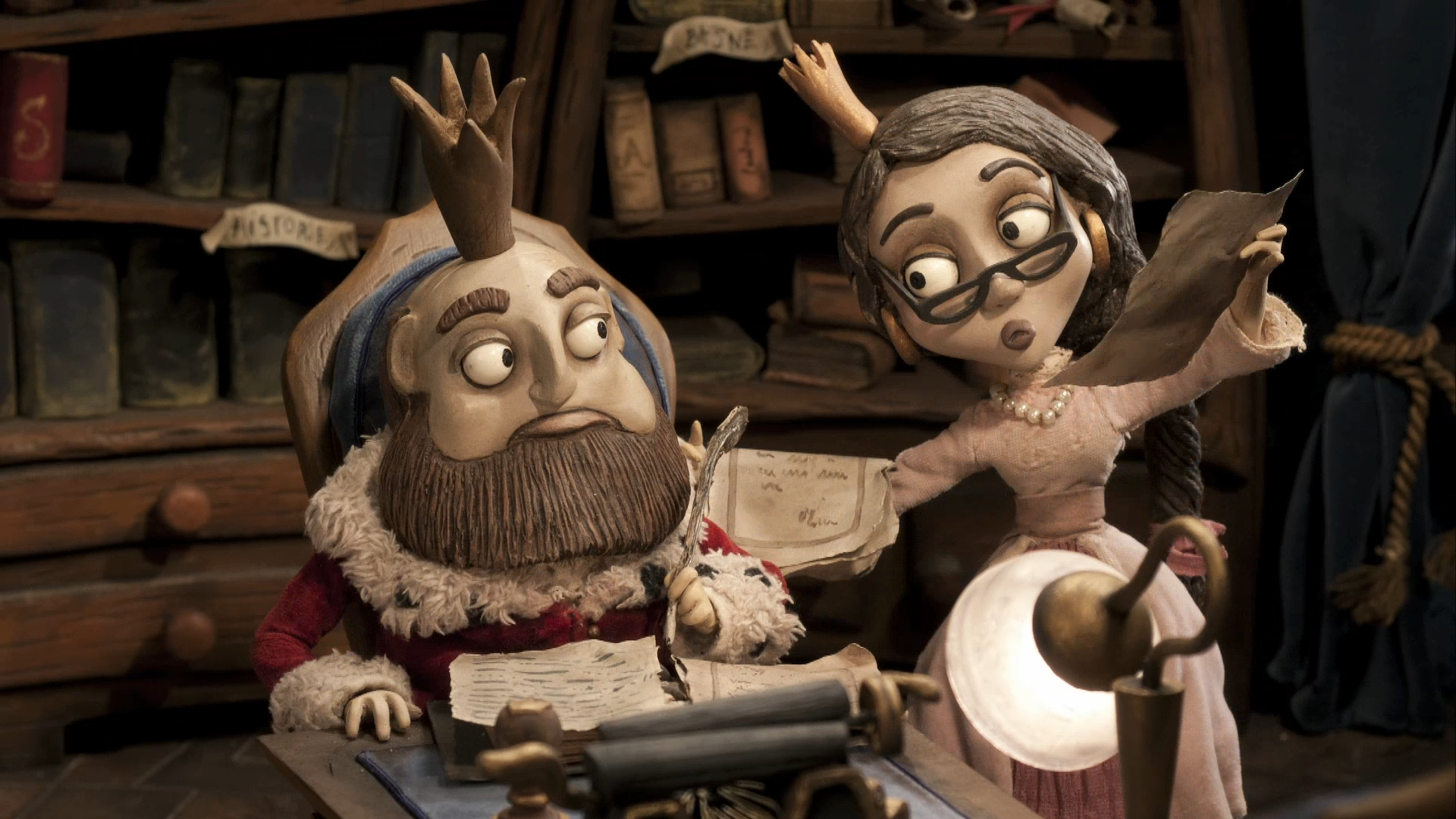
Examples of Czech animation show a rather dark style. Darker, warmer colours and a slight feeling of 'the uncanny' seem to be consistent and fairly common in Eastern European animation. The above images are from an animation called 'Fimfarum'.


Great Teacher Onizuka (1999) and Momotaro Umi No Shinpei (1945). Large, exaggerated features and cute mascots are typically a feature of most Japanese animations. Despite the huge change in style (anime has become fairly Westernised due to Globalisation), it is still very obvious that it is a Japanese animation style.
